Unpacking Successful EPR Policy for Packaging in the U.S.
A roadmap to effective sequencing, efficient program design, and harmonization across states.

Executive Summary
As Extended Producer Responsibility (EPR) legislation gains momentum across the United States, the need for well-designed programs has never been more urgent. When designed well, EPR policy has the potential to deliver meaningful environmental and economic benefits on a national scale. With careful planning and thoughtful incorporation of past learnings, U.S. EPR programs can serve as a catalyst for a more sustainable future in consumer packaging.
This report from the EPR Leadership Forum provides a comprehensive blueprint for successful EPR program development, drawing on lessons learned from early-adopter states and mature programs globally. Through in-depth stakeholder interviews, ELF pinpointed key challenges in bringing EPR programs to life in the United States, and worked collaboratively to identify solutions that benefit the collective recycling system. This report seeks to unify diverse stakeholder perspectives, offering an objective blueprint stakeholders can follow to work towards impactful EPR legislation and implementation.
Three Key Strategies for EPR Success
Strategy 1: Sequencing
There is an ideal order of operations for rolling out EPR programs which, along with adequate time allotment and appropriate authority for data collection, ensures programs are developed with sufficient funding and stakeholder inputs. EPR rollout should begin with a needs assessment, an in-depth study of a jurisdiction’s existing recycling capabilities, contracts, and infrastructure for managing consumer packaging. Read more about sequencing →
Strategy 2: Efficiency
EPR programs should be streamlined to allow stakeholders to focus on driving recycling impact and cost efficiencies rather than navigating operational complexities. A central focus of developing EPR programs today is managing program costs while focusing on the primary objective of enhancing recycling systems across the United States. Read more about efficiency →
Strategy 3: Harmonization
There are EPR program plan components that must be harmonized to streamline compliance, product improvements, and system operations, while some should remain flexible in response to states’ current infrastructure. The current patchwork of state-level EPR legislation makes it challenging for producers to understand requirements by state, make meaningful packaging improvements to collectively drive towards a circular economy, and efficiently improve and expand recycling services. Read more about harmonization →
Strategy 1: Sequencing
EPR Program Rollout Best Practices
EPR program rollout is complex and requires coordination between a number of public and private entities, including legislators, state agencies, local governments & municipalities, producers, waste management service providers, and producer responsibility organizations (PROs). An optimal rollout order, along with sufficient timing and authority for data collection, must be planned thoughtfully to enhance stakeholders’ ability to build effective EPR programs with sufficient funding and stakeholder inputs.
Getting the Order Right
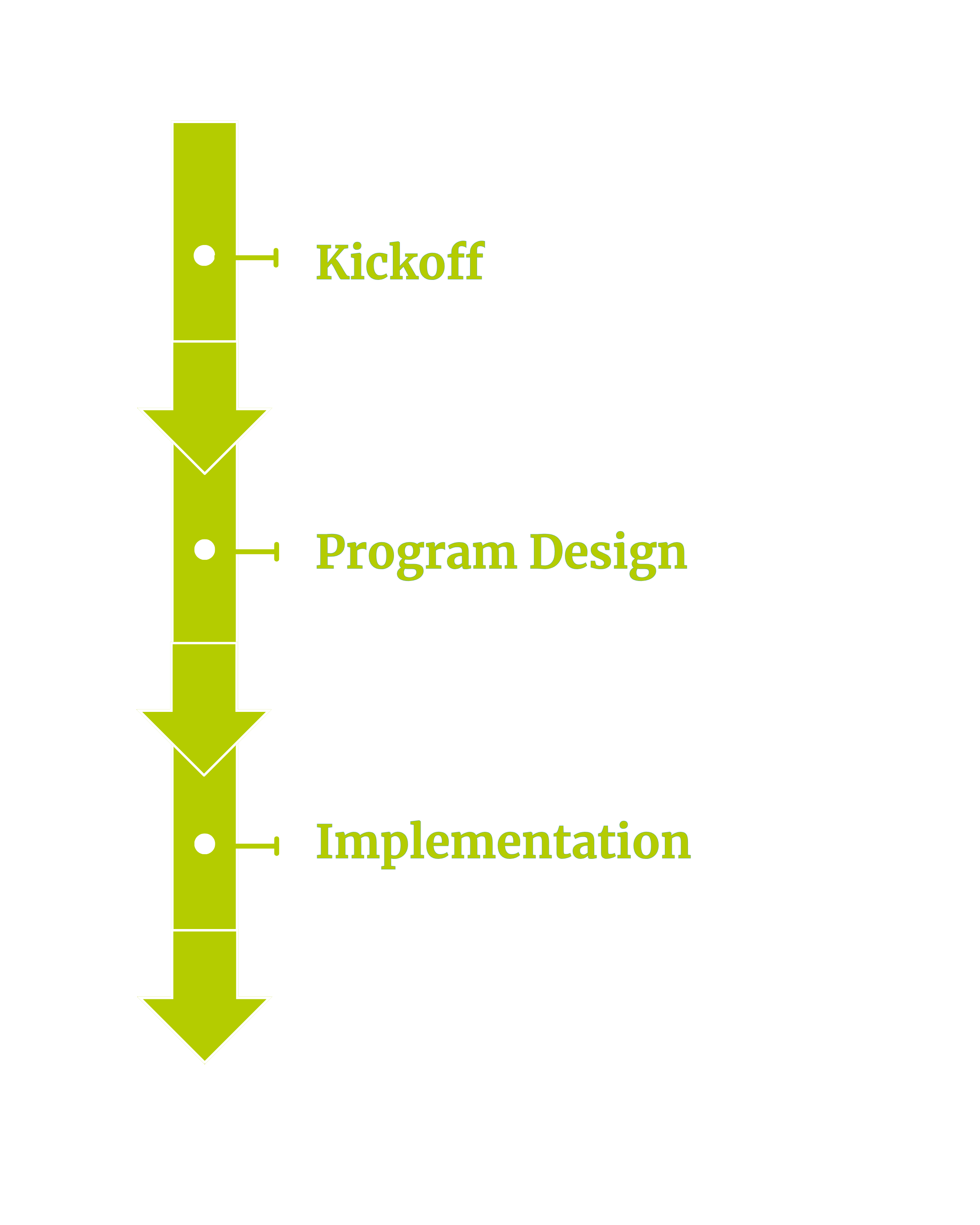
Experience in U.S. EPR states indicates that there is an ideal order of rollout for the kickoff, design, and phased implementation of EPR programs. This process emphasizes engaging the right stakeholders at each stage, ensuring that their needs, inputs, and expertise are incorporated.
EPR Program Steps
EPR programs should be based on a strong legislative foundation, the first stage in any successful program’s kickoff phase. The kickoff phase also includes appointing an advisory board and collecting start-up fees. Following the kickoff phase, a thorough program design phase should take place, which includes an in-depth needs assessment and PRO program plan. Then comes the final phase, implementation.
Strategy 2: Efficiency
Improving EPR Efficiency
A central focus of developing EPR programs today is managing program costs while focusing on the primary objective of enhancing recycling systems across the United States. The following key opportunity areas can be considered throughout the kickoff, program design, and implementation of EPR programs to maximize efficiency, managing system costs while driving recycling impact.
Define Guardrails
EPR legislation should avoid excessive prescription to minimize unnecessary complexity, instead serving as a set of guidelines that steer stakeholders toward shared goals and standardized recycling practices.
Empower Stakeholders with Time and Collaboration
PROs need adequate time to collaborate with municipalities to develop a reimbursement model or practical contracts with both new and existing service providers to transition to the expanded collection and processing requirements of the EPR program.
Encourage Iterative Innovation
EPR programs see success when they encourage end market development through iterative innovation. This should include tactics such as aligning incentives to encourage investment, rewarding performance and quality, innovating solutions with the full value chain, and ensuring that end markets are strengthened at both ends.
Strategy 3: Harmonization
Harmonizing State-Level EPR Programs
The current patchwork of state-level EPR legislation makes it challenging for producers to understand requirements by state, make meaningful packaging improvements to collectively drive towards a circular economy, and efficiently improve and expand recycling services.
The Risk of Patchwork Policies
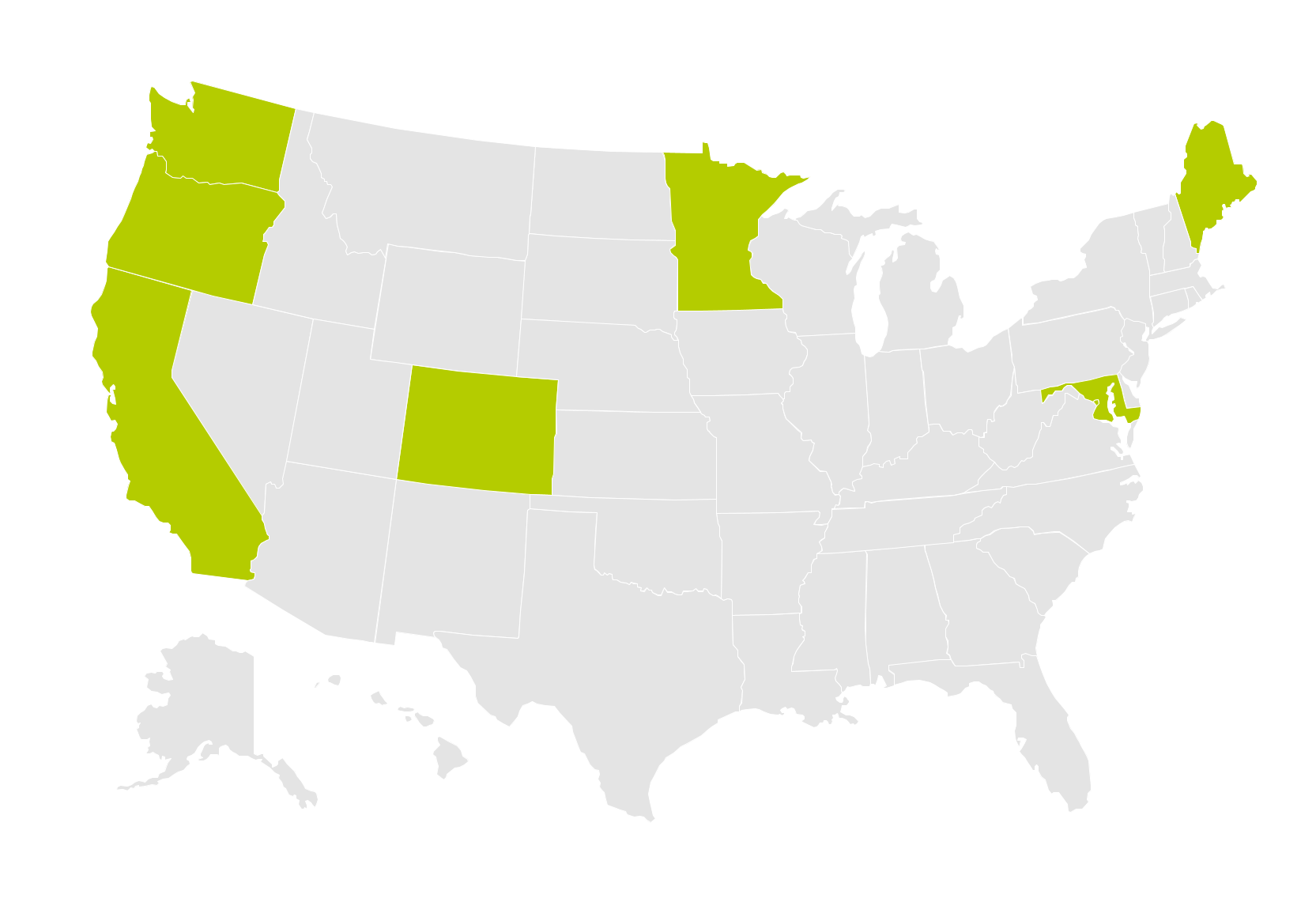
There are already critical areas of misalignment within the 7 U.S. states that have passed EPR legislation, which may continue to propagate confusion as these programs are fully implemented and additional programs emerge in new states. Of the existing packaging EPR programs in the U.S., scope and language for covered materials, products, and exemptions varies. For example, Colorado’s and Oregon’s program scopes include paper products, while California’s scope does not.
Lessons from Harmonized Definitions
Proactively working to align EPR programs across states will prevent stakeholders needing to navigate multiple different frameworks, potentially compromising individual compliance and overall system impact. For example, the EU’s Packaging and Packaging Waste Regulation (PPWR) offers a valuable case study in cross-jurisdictional standardization, demonstrating how harmonized definitions and material classifications can drive consistent environmental outcomes across multiple countries for higher overall impact.
How States Can Balance Flexibility + Consistency
While harmonization across states must be considered, retaining flexibility within some elements of EPR programs is also important to respond to states’ unique needs and promote innovation. States can experiment with solutions tailored to their differing challenges and opportunities, even within harmonized recycling definitions and covered materials lists.
Download the Full Report
For policymakers, producers, and sustainability leaders, this report outlines the roadmap to successful EPR policy in the U.S.